Google's Suncatcher satellite runs its first AI prompt in orbit
Google says its Project Suncatcher prototype ran a Gemma 4 model on a data-centre-class TPU in space and returned a haiku to the ground.
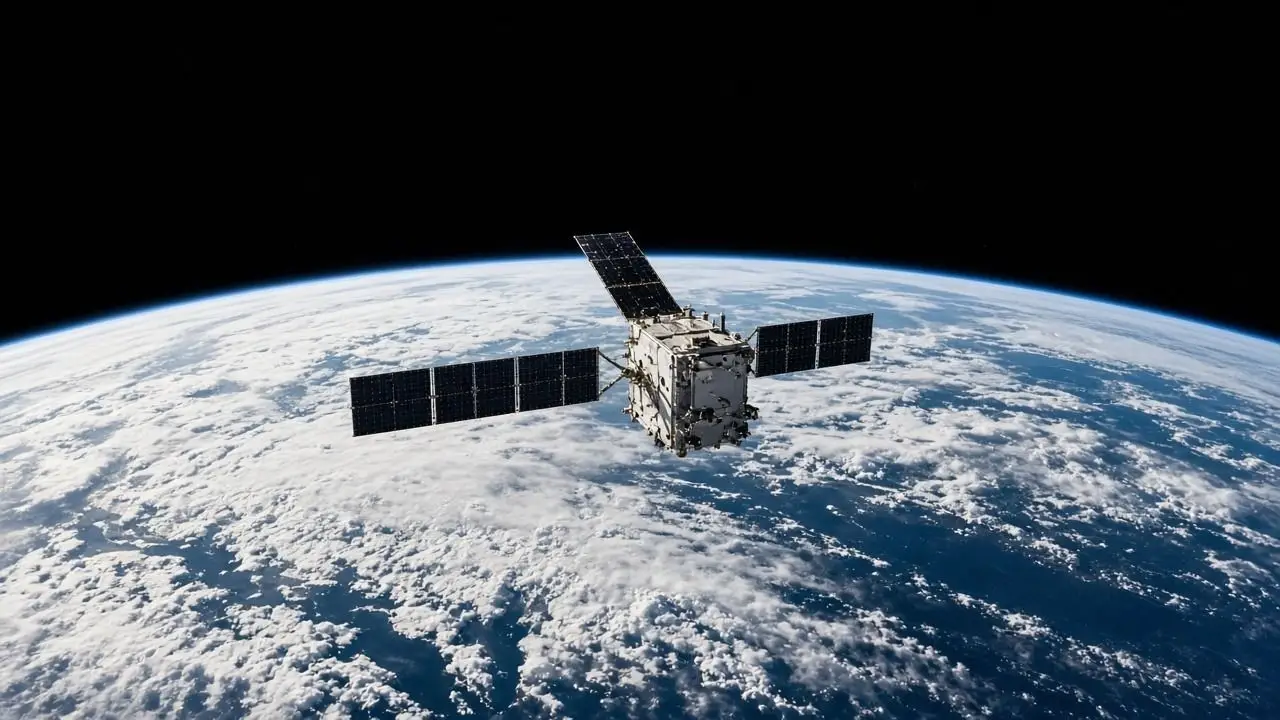
Google says the prototype satellite for Project Suncatcher, its research effort on running AI computing in space, has returned its first AI-generated answer from orbit. In a post on October 30, 2026, Google described it as the first AI response from a data-centre-class TPU, its in-house AI chip, operating in space.
What happened
Google launched the prototype on October 1. It says the following weeks went into commissioning: powering up the host computer and the TPU trays and running early machine-learning tests. During a pass over a ground station, the team sent a prompt to an onboard copy of Gemma 4, Google’s open model, asking for a haiku about being in space. Google says the reply came down as the satellite passed over Svalbard, Norway, and it published the three-line poem in its post, which begins “Blue marble below”.
After that first output, Google says it tested more space-themed prompts and prompts that reported the technical status of the payload.
What comes next
According to Google, the next round of tests will look at how the TPUs hold up under heat stress and radiation in orbit. It says confirming that the chips can run workloads reliably in space is a step toward its next milestone, a pair of interconnected satellites planned for 2027.
Why it matters (analysis)
A short poem is a small test, and Google’s post does not give performance or reliability figures yet. The point of the milestone is that standard data-centre AI hardware switched on and answered a prompt after launch. Whether computing in orbit can compete with ground data centres will depend on the radiation and thermal results still to come, which Google says it will keep testing. Google calls Suncatcher a long-term “moonshot”, so this is early research, not a product. More on models and research.
This report is not legal, financial, or health advice. See the disclaimer.
Primary sources
More stories
-
Image: AI Headline Hub -
Image: AI Headline Hub -
Image: AI Headline Hub