Anthropic Adds Smart Reports to Claude Enterprise
New enterprise reports aim to help administrators assess AI use, cost and efficiency.

Anthropic has introduced smart reports for Claude Enterprise, according to Business Insider on November 3. The feature lets organizations examine sampled AI sessions, group activities by task and review associated costs. Administrators can select teams, products, topics and a reporting period of up to 28 days. The tool can flag sessions categorized as inefficient, but Anthropic says it is designed to understand adoption and investment rather than evaluate individual employees.
The rollout brings a familiar corporate software question into AI: how can a company determine whether a paid tool creates useful work? Anthropic says employee names are hidden by default, while some access to identities can be enabled with logged reveals. Privacy safeguards and the limits of automated productivity judgments will matter as businesses decide how to interpret the reports.
What administrators can examine
The new Smart Reports feature is aimed at an increasingly common problem for enterprise AI buyers: a license count says little about whether people are using the software productively. According to Business Insider’s November 3 report, Anthropic lets administrators select a team, product or topic and examine activity over a reporting window of up to 28 days. The system samples sessions and groups them into types of work, attaching information about usage costs and sessions identified as inefficient.
That is more granular than simply counting logins or total prompts. A company could see whether Claude is being used for drafting, research or other categories of work, then compare those patterns with what it intended to fund. The feature also raises a measurement question: a long conversation can be valuable because it solves a difficult problem, while a short exchange can be wasteful if it produces an incorrect answer. Session cost is observable; business value often requires independent assessment.
Privacy is part of the product design
Anthropic says names are hidden by default, with a controlled, logged process for revealing some identities. That choice acknowledges the sensitivity of turning conversational AI use into management reporting. Prompts may contain drafts, confidential project descriptions or the record of an employee working through a problem. Even when names are suppressed, reports about small teams or unusual tasks could require careful handling to avoid identifying individuals indirectly.
The company presents the product as a way to understand adoption and investment rather than a performance-ranking tool. Employers will still have to decide what internal policies govern access to the reports, how long information is retained and whether workers understand what is measured. Those decisions are organizational, not settled by the software’s default settings.
A new procurement question
Businesses evaluating Claude Enterprise can now ask whether additional subscriptions produce identifiable workflows rather than merely more experimentation. But an ‘inefficient’ label should not be mistaken for a verified financial loss. A session might involve repeated attempts because a task is genuinely difficult; another might produce polished text that requires expensive human correction. Companies need outcomes—time saved, error rates, completion rates or employee feedback—to complement usage analytics.
The 28-day reporting limit also constrains interpretation. It can help identify recent patterns but does not establish a year’s return on investment or explain seasonal changes in workloads. The most useful comparisons would be between similar teams performing similar tasks, with attention to privacy and task difficulty. Anthropic’s announcement signals a shift from selling access to AI toward helping customers account for how that access is used. Whether it improves purchasing decisions will depend on how carefully companies interpret the resulting data.
This report is not legal, financial, or health advice. See the disclaimer.
Primary sources
- Business Insider report Business Insider
More stories
-
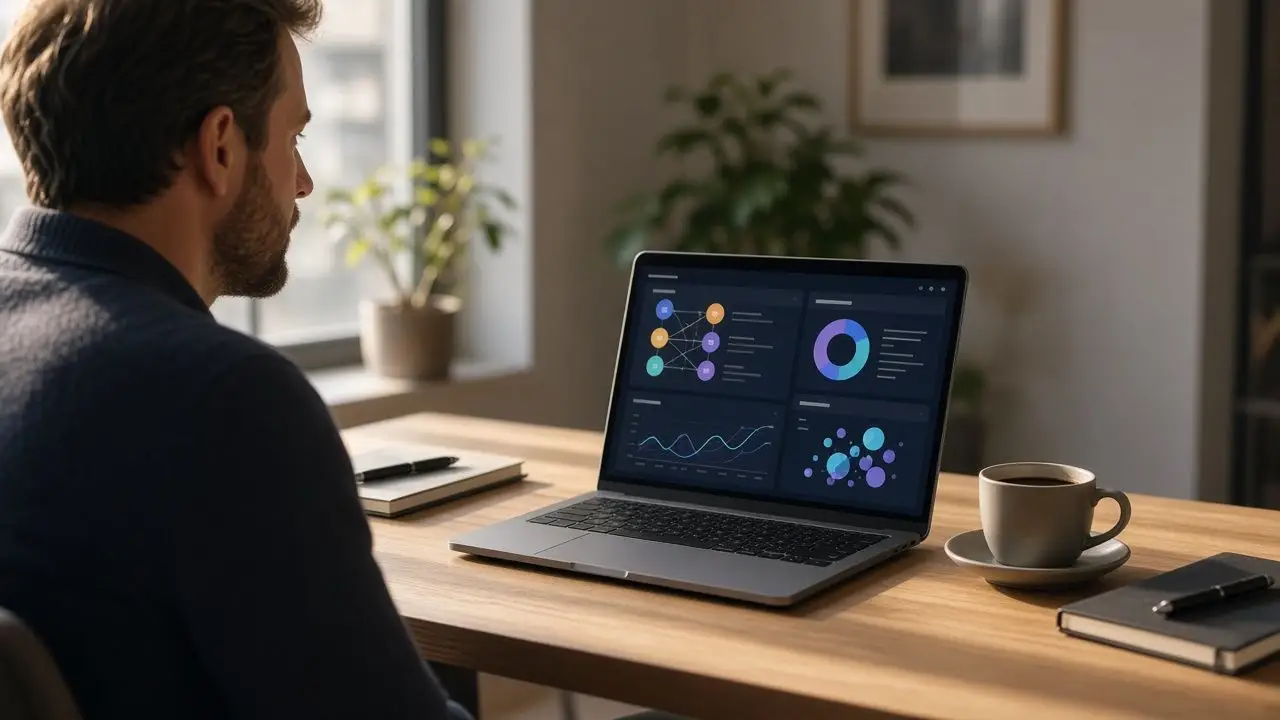
Image: AI Headline Hub -

Image: AI Headline Hub -
Image: AI Headline Hub