DeepL's Aure voice model carries tone and pace into live translation in eight languages
DeepL says Aure, now inside DeepL Voice and its Voice API, adapts translated speech as a speaker's emotion, emphasis and pace change, with no setup needed.
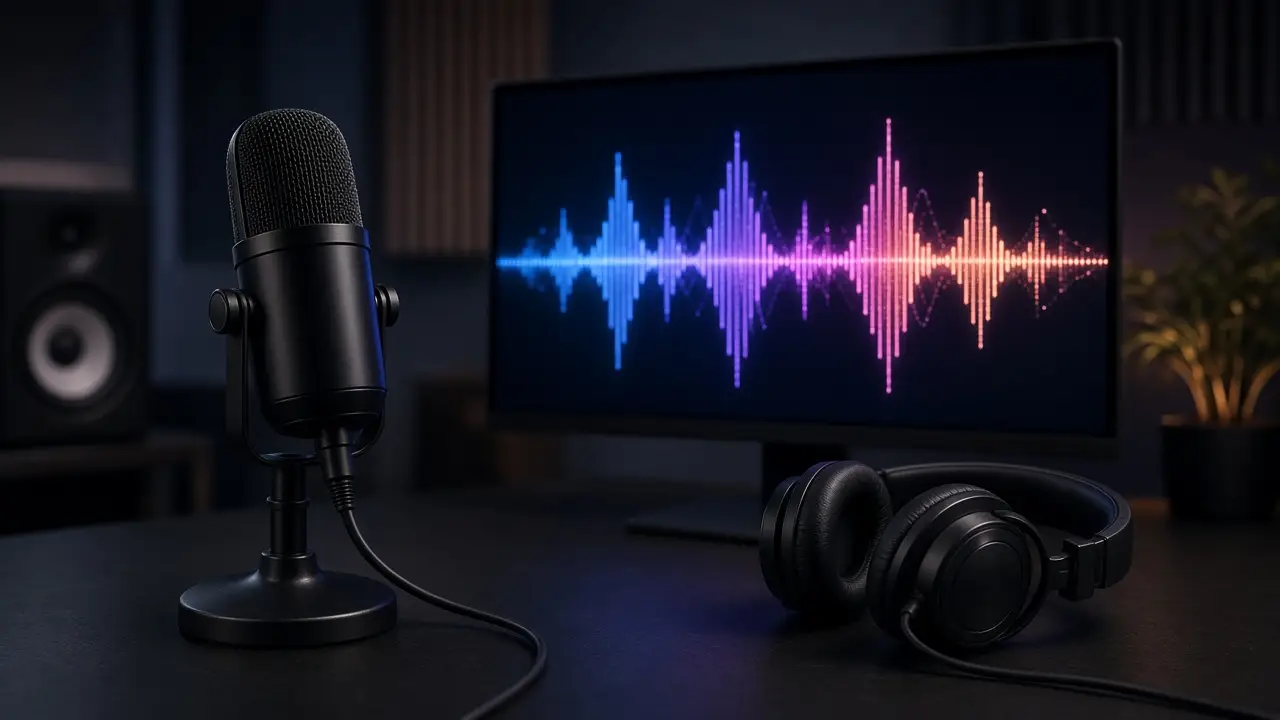
DeepL has released Aure, a new voice model for its real-time speech translation product, DeepL Voice. The Cologne company said on 11 November that Aure changes the translated voice as the speaker’s tone, emotion, emphasis and pace change during a conversation, rather than fixing those traits at the start, according to its announcement.
What changes for users
Until now, DeepL Voice built its translated voice from a short sample taken in the opening moments of a call. DeepL says that approach captured who was speaking but not how, so a shift into urgency or enthusiasm, or a sarcastic delivery, was lost. Aure instead analyses the incoming speech continuously, using both the source audio and the translated words to shape how each sentence is spoken.
Aure builds on DeepL’s earlier voice preservation feature, which lets people be heard in their own recognisable voice in another language. heise online describes Aure as the next step: the model keeps learning during a conversation and adjusts to the speaker’s stresses, tempo and emotion.
Languages and products
The model initially supports English, German, Spanish, French, Italian, Japanese, Portuguese and Korean, with more languages planned, DeepL says. It is applied automatically, with no configuration, in DeepL Voice for Online Meetings, DeepL Voice for In-Person Conversations and the DeepL API for Voice. Other languages keep running on DeepL’s existing voice models.
How DeepL says it works
DeepL says the hard parts were filtering out background noise, echo and distortion in real conversations, and carrying a voice across languages without exaggerating accents. It trained the model to separate a speaker’s voice identity, their prosody and the spoken content, so each can be carried into the new language independently, and used reinforcement learning to keep translation accuracy and speech quality while removing accent artefacts.
The company also says DeepL Voice does not permanently store meeting transcripts or translations and deletes that data from memory when a session ends, which is why Aure has to adapt to each speaker in real time. Chief executive Jarek Kutylowski called the release “a major step toward a world where language changes, but the person behind it doesn’t.”
DeepL did not publish quality benchmarks or pricing changes with the launch.
This report is not legal, financial, or health advice. See the disclaimer.